Arrival in Japan
Upon landing at Haneda Airport on 15th of April, we could feel the palpable excitement that comes from arriving in Japan, a nation renowned for its rich culture and breathtaking landscapes. Haneda Airport, conveniently located in Tokyo, provides a seamless transition for travelers eager to embark on their adventure. After completing the necessary customs procedures, visitors can take advantage of the airport’s efficient transport options to reach Shinagawa, a major hub for further travel.
The journey to Shinagawa from Haneda is typically smooth and takes approximately 20 to 30 minutes via the Tokyo Monorail or the Keikyu Line. Although we took the taxi to our hotel as we had luggage and this was our first time in Japan, you can take the train for a seamless travel if you have less luggage. This short trip offers a glimpse of the vibrant city of Tokyo, with its modern architecture and bustling streets. Upon arrival at Shinagawa Station, travelers can easily access various train services. Our hotel was just nearby to Shinagawa station where we checked in.
The Early Start: Journey to Mount Fuji
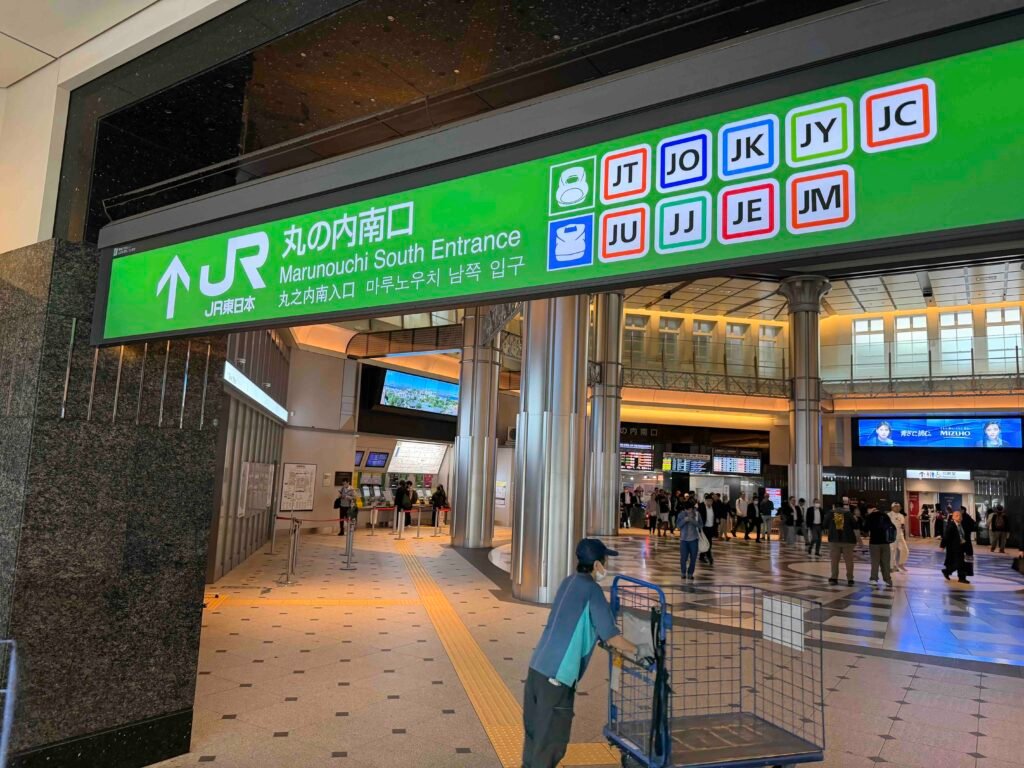
We started our journey in the morning from Shinagawa station and took the train to Tokyo station. We had to exit from Marunouchi South Exit and reach the Beams sign which is a big signage in from of Tokyo station and can be easily seen. We had the sandwiches that we brought with us from 7-Eleven and met our tour guide who told us our seat numbers. Our tour was to start from 8 AM
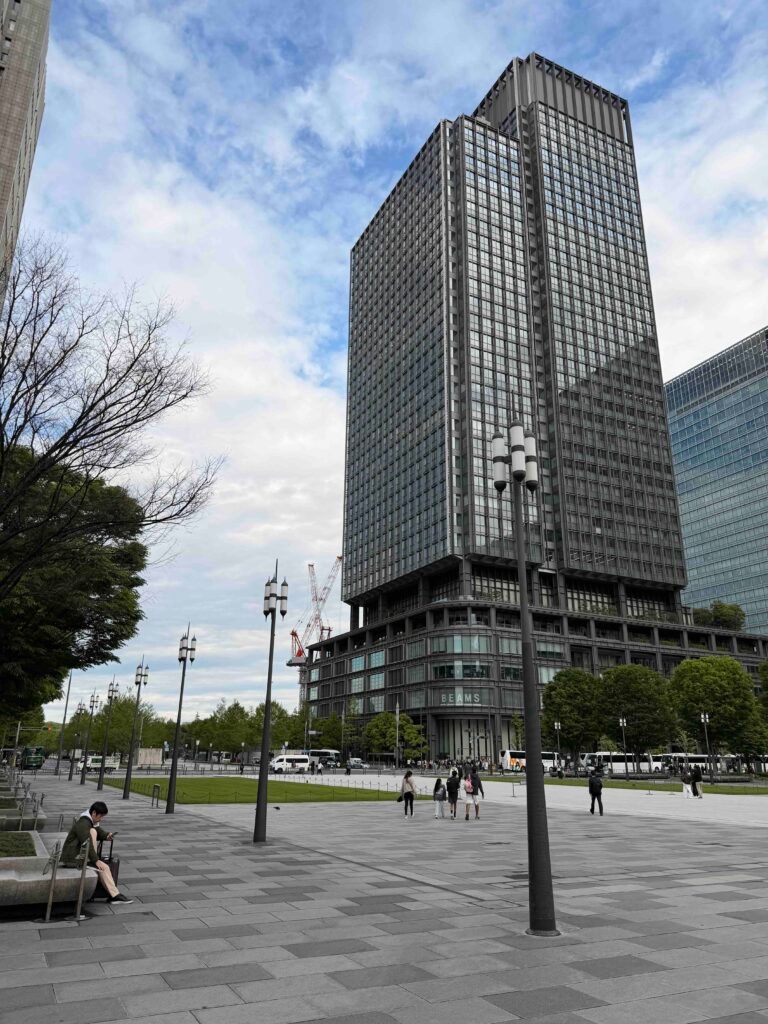
We boarded a comfortable Air- Conditioned bus for our tour to Mt. Fuji and the bus left exactly at 8:00 AM.
As the bus approaches its destination, the majestic peaks of Mount Fuji slowly reveal themselves on the horizon. It is a sight that prompts gasps of awe, and the iconic shape of this dormant volcano becomes increasingly prominent.
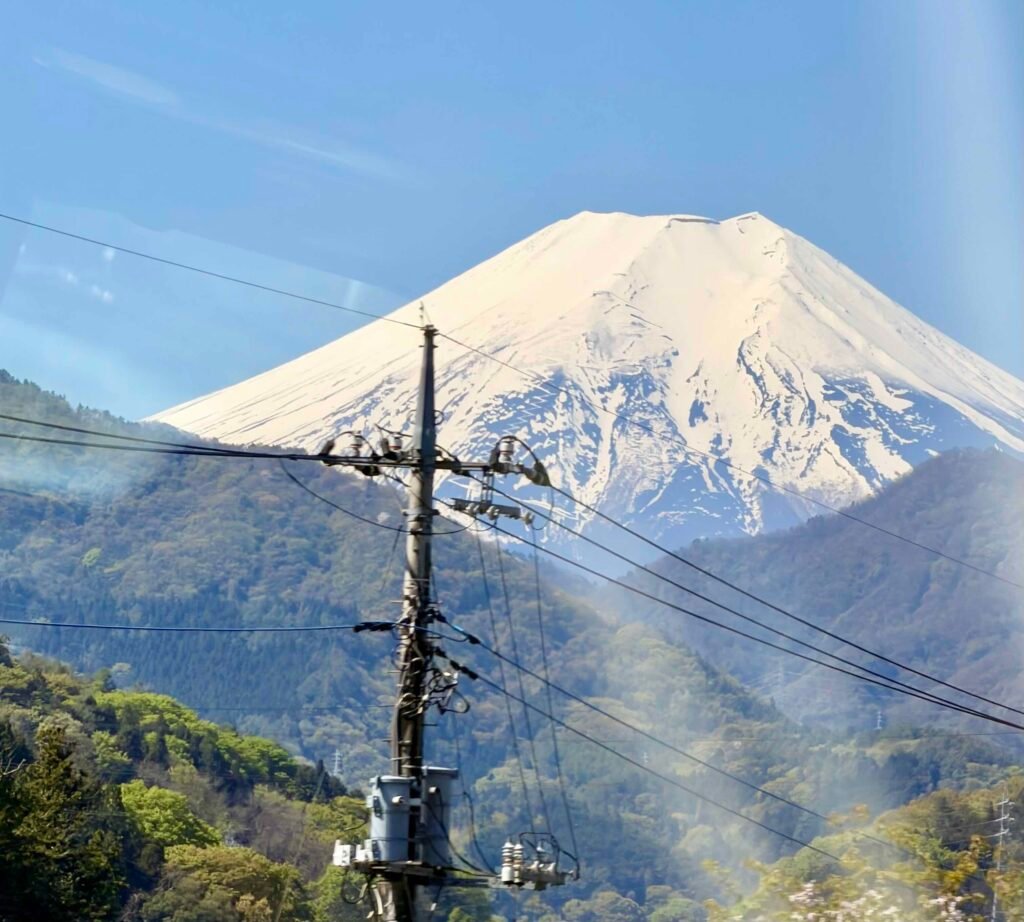
First Stop: Lake Kawaguchiko and Oishi Park
One of the most picturesque spots on a Mt. Fuji tour from Tokyo is Lake Kawaguchiko. Nestled at the northern base of the iconic mountain, this serene lake offers panoramic views that are nothing short of mesmerizing. The reflection of Mount Fuji upon the tranquil waters of the lake creates an enchanting visual experience for visitors. It serves as a prime location for photography enthusiasts who wish to capture the grandeur of this magnificent natural wonder.
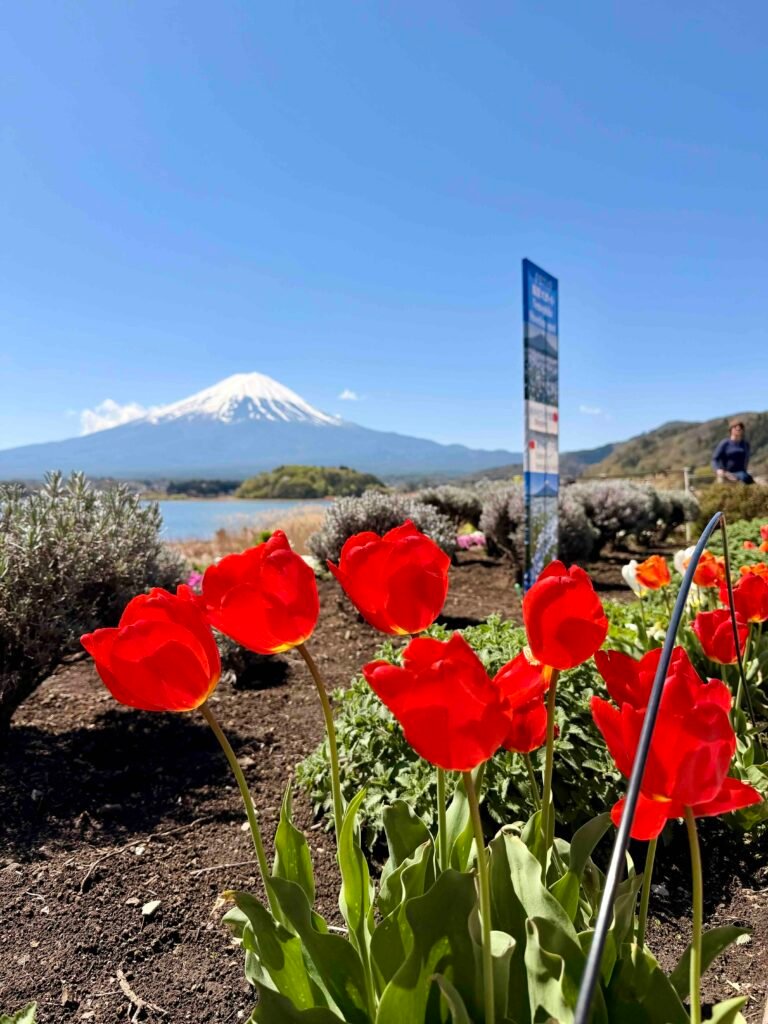
As you stroll along the lakeshore, the stunning vistas are complemented by the tranquil sound of water lapping against the shore. The surrounding area is also home to a variety of activities, including boat rentals, which allow you to immerse yourself in the breathtaking environment. The lake provides a different perspective of Mount Fuji, with each angle unveiling unique features of the majestic landscape.
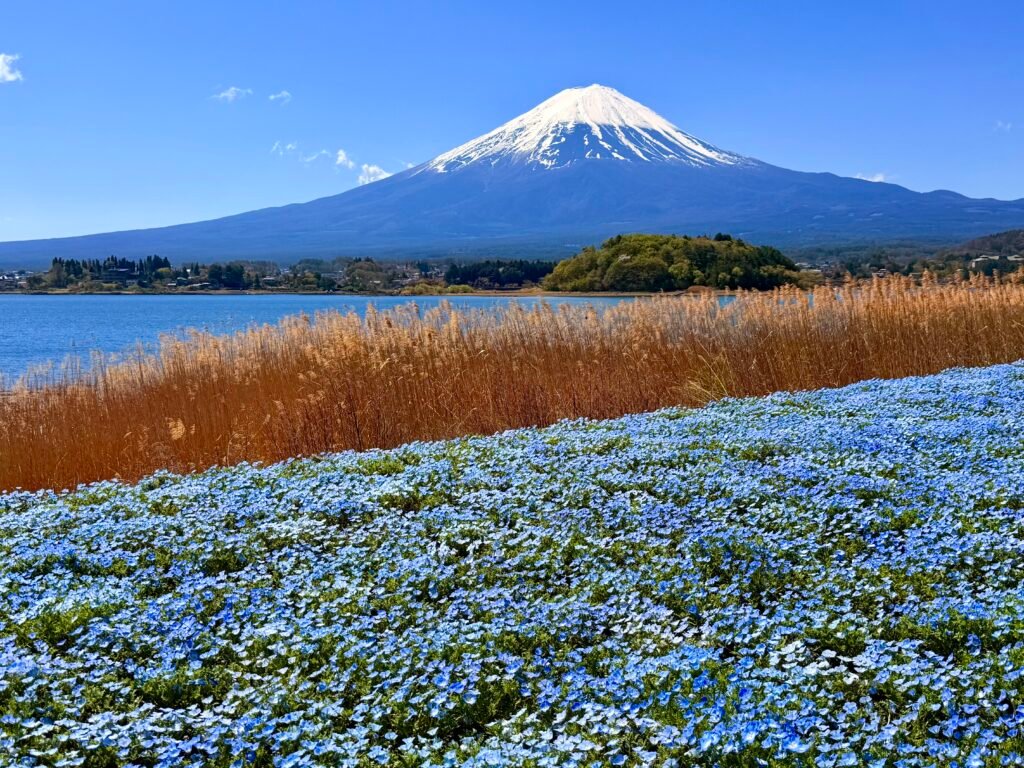
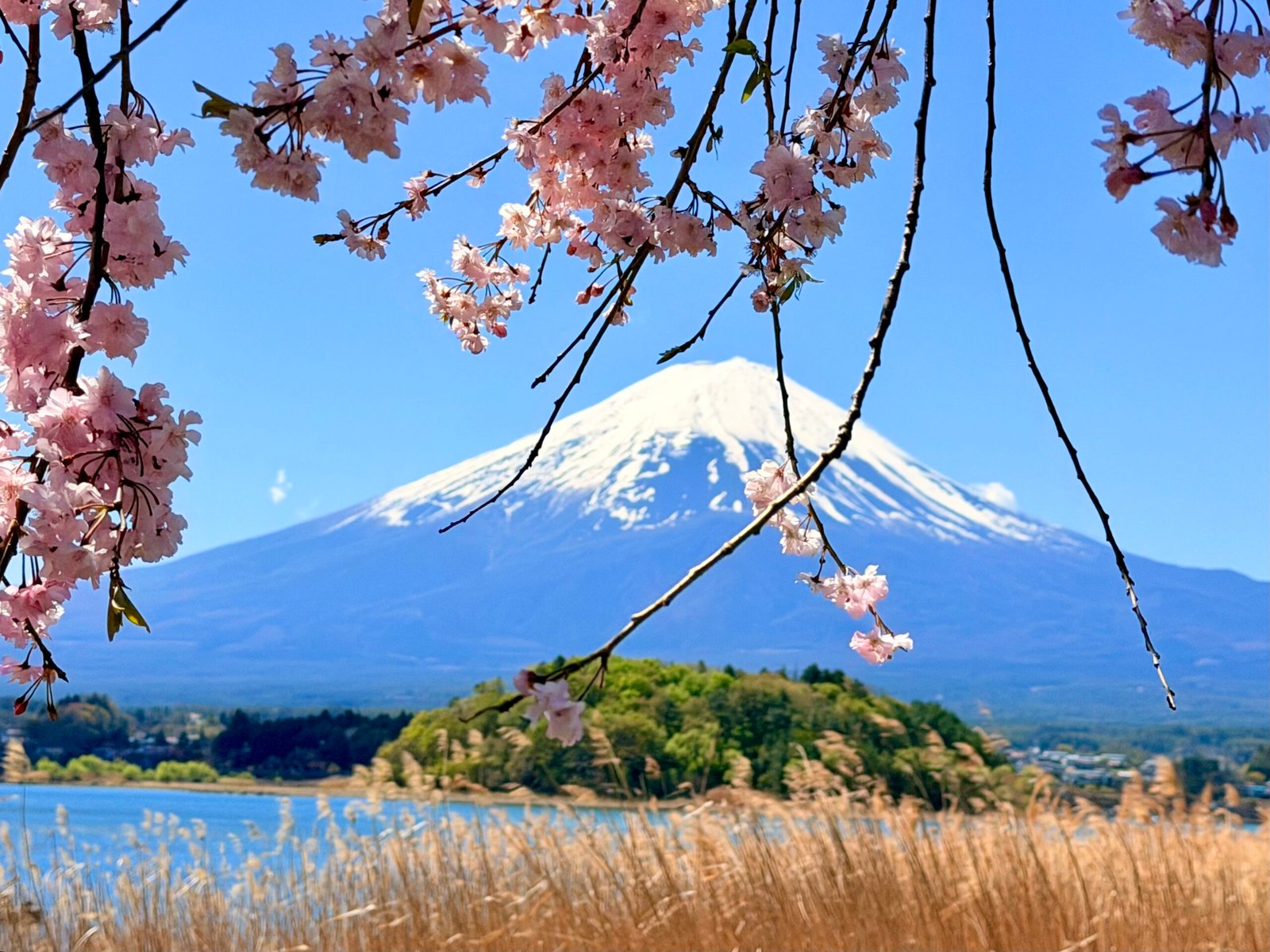
Adjacent to Lake Kawaguchiko is Oishi Park, an idyllic retreat known for its seasonal beauty. This park is particularly famous for its cherry blossoms during springtime, when the trees bloom in a vibrant display of pink, framing the view of Mount Fuji beautifully. The combination of cherry blossoms with the majestic backdrop of the mountain attracts many tourists and locals alike, making it a perfect picnic spot.
Visitors can take leisurely walks along the park’s trails, enjoy the flourishing flora, and appreciate various viewpoints that showcase different aspects of both the lake and Mount Fuji.
In addition to the floral beauty, Oishi Park features a visitor center and selling local products, including homemade sweets and craft items. A visit to the nearby Hikawa Clock Shop allows visitors to experience local craftsmanship while enjoying a cup of tea. This initial stop culminates in a serene experience, showcasing the essence of Japanese nature and culture as you journey onward to your next destination.
We also stopped at the Iconic Photo spot Lawson store to get a beautiful and picturesque view of Mt. Fuji as a roof to the shop.

Famous Snack and Lunch Experience
Embarking on a Mt. Fuji tour from Tokyo offers not only breathtaking views but also a delightful culinary adventure. One cannot overlook the opportunity to savor the famous grilled eel dish, a regional specialty that embodies the rich flavors of Japanese cuisine. Often enjoyed during lunch at local eateries, this dish is grilled to perfection, delivering a smoky essence that perfectly complements the tender, succulent meat. The preparation of grilled eel, known as unagi, typically involves marinating it in a savory sauce before grilling, resulting in an exquisite combination of textures and flavors that visitors find irresistible.
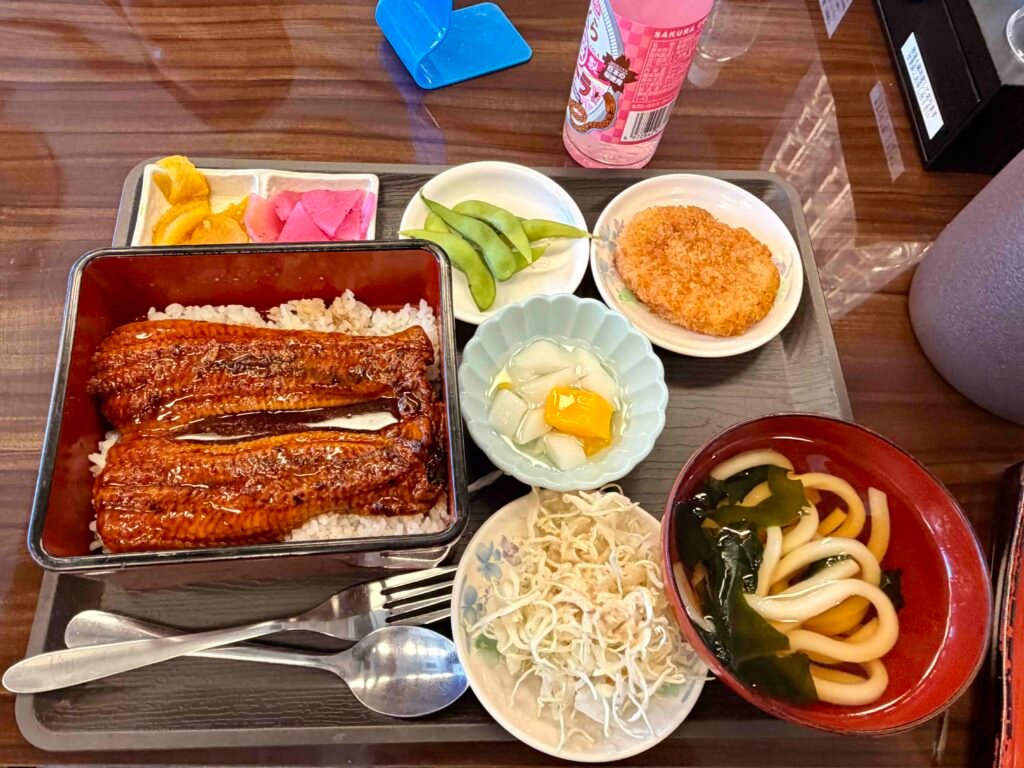
As the tour progresses, travelers might find themselves passing through picturesque areas such as Fujiyoshida, near notable sites like Arakurayama Sengen Park and Oishi Park. It is at these scenic points where visitors often take a break, providing an opportune moment to indulge in the regional delicacies. While the grilled eel is a must-try, the selection of snacks available is equally impressive, catering to various preferences.
Moreover, for those who appreciate unique desserts, local vendors offer an enticing flower ice cream that stands out for its delicate floral flavors. Unfortunately, due to the time constraints associated with the Tokyo to Mt. Fuji itinerary, many travelers find themselves longing to try this delightful treat but are unable to do so. Nonetheless, the essence of the culinary experience remains vibrant through the grilled eel and other market snacks. For those seeking to explore the local culture further, making a point to sample these dishes can greatly enhance the overall experience, transforming a journey to iconic locations like Lake Kawaguchiko and Oshino Hakkai into an unforgettable memory.
Exploring Oshino Hakkai Village
Nestled at the foothills of Mount Fuji, Oshino Hakkai Village presents a serene environment characterized by its beautiful landscapes and rich cultural heritage. This charming village, known for its eight pristine ponds, is fed by the snowmelt from Mount Fuji, resulting in crystal-clear water that hosts various aquatic life. The tranquil setting of Oshino Hakkai makes it a popular stop for travelers embarking on a mt. fuji tour from tokyo, offering an opportunity to immerse in nature’s beauty.
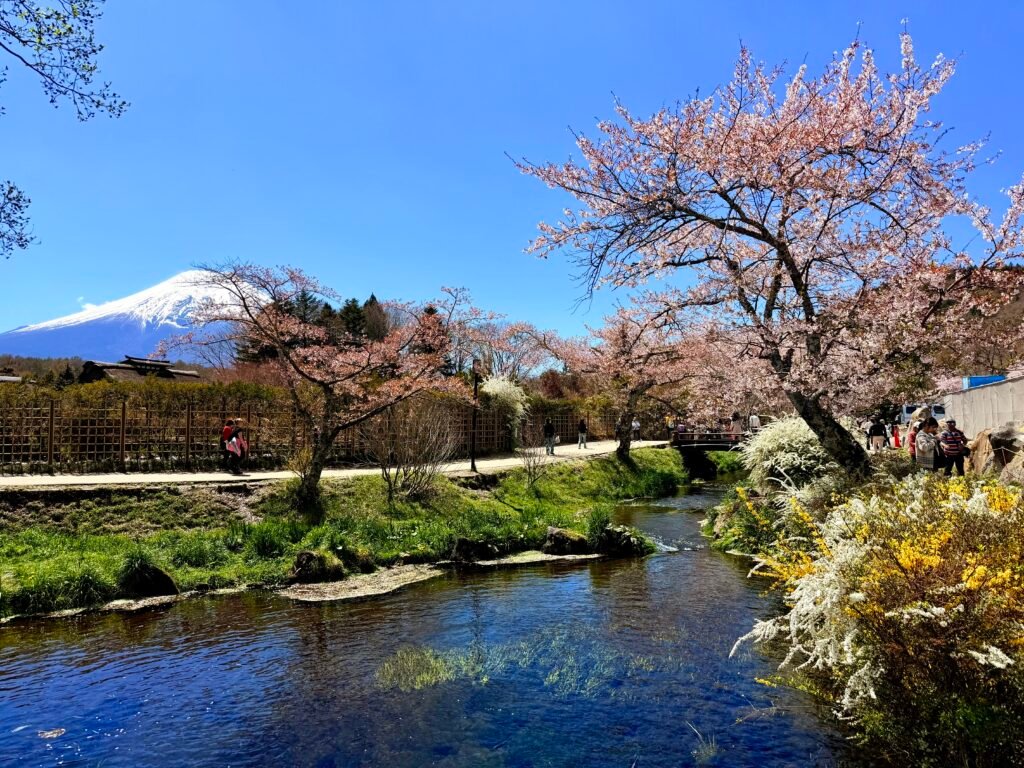
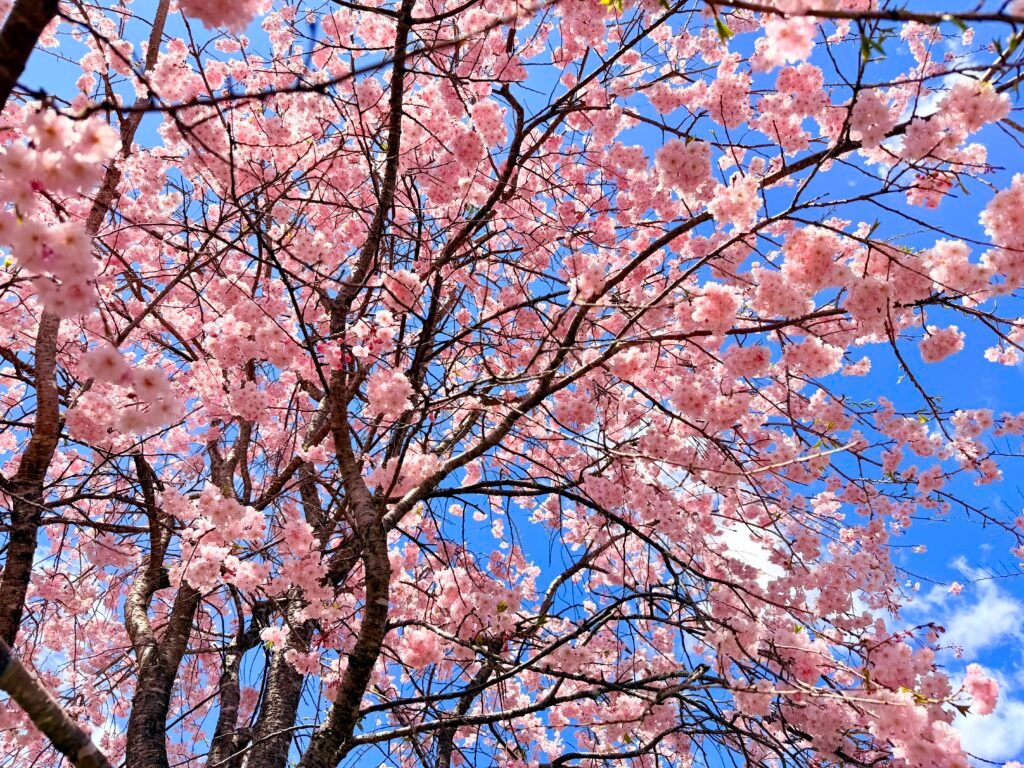
As visitors stroll through the village, they can marvel at the traditional thatched-roof houses that line the pathways, each telling its own story of Japanese culture. The appeal of Oshino Hakkai is further enhanced during springtime when cherry blossoms bloom, creating a picturesque setting that is ideal for photography enthusiasts. The sight of cherry blossoms against the backdrop of Mount Fuji is a captivating experience, attracting both tourists and locals alike.
A noteworthy experience in Oshino Hakkai is the tasting of traditional mochi, a sticky rice delicacy that is a staple of Japanese cuisine. Although visitors may encounter long queues during peak times, the delightful flavor of mochi makes the wait worthwhile. The communal atmosphere here is inviting, as locals are often willing to share the joy of enjoying traditional food, making it a must-try for anyone on a journey to this fascinating village.
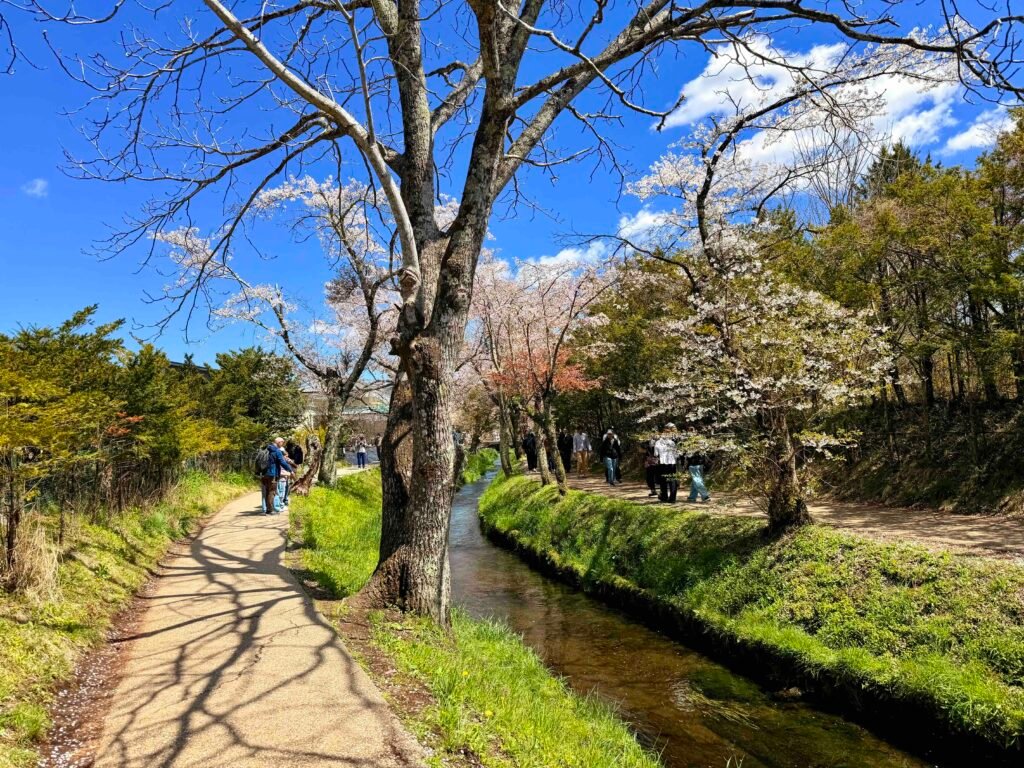
In addition to its culinary offerings, Oshino Hakkai serves as a gateway to nearby attractions such as Lake Kawaguchiko and Oishi Park, which offer stunning views of Mount Fuji. Visitors can also discover local shops, like the Hikawa Clock Shop, where unique souvenirs and handcrafted goods reflect the craftsmanship of the area. Exploring Oshino Hakkai Village provides a rich and immersive experience for those seeking to connect with the natural beauty and cultural significance of the region.
Adventure to Arakurayama Sengen Park
The journey to Arakurayama Sengen Park from Tokyo to Mount Fuji offers an exciting blend of culture, nature, and breathtaking views. This 30-minute train ride takes visitors towards the quieter town of Fujiyoshida, a perfect launch point for discovering the wonders surrounding Mount Fuji. Upon arrival, a scenic 20-minute walk through the town leads adventurers towards the park, where unique attractions await.
One of the notable stops along the route is the Hikawa Clock Shop. This charming boutique, rich in intricacies, showcases an array of timepieces, each telling its own story. The craftsmanship of these clocks reflects not just functionality, but also an aesthetic appreciation for timekeeping. Visitors are often enticed to explore the artistic displays while enjoying the serene ambiance that the shop provides.
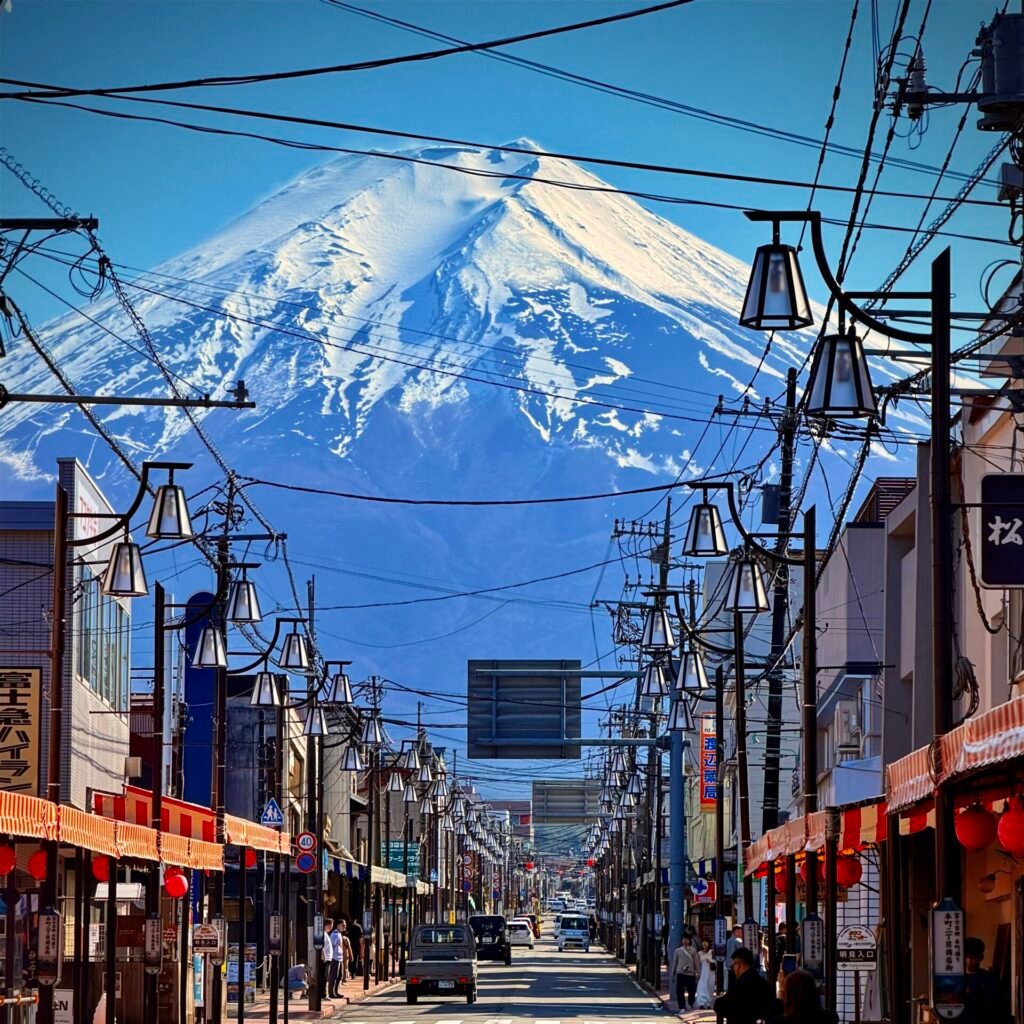
Continuing the walk towards Arakurayama, travelers are greeted by awe-inspiring views of Mount Fuji. This iconic peak, often draped with snow, looms majestically in the distance, providing a stunning backdrop for photographs. As the cherry blossom season approaches, the landscape transforms, with the delicate pink blossoms offering a picturesque contrast against the white-capped mountain. This seasonal spectacle adds to the allure of the pathway, making each step an opportunity to capture unforgettable memories.
Arriving at Arakurayama Sengen Park, visitors are rewarded not only with tranquil surroundings but with panoramic views of the adjacent Lake Kawaguchiko and the sprawling Oishi Park. This lush park is particularly popular during the cherry blossom season, creating a mesmerizing setting for those pursuing leisurely strolls or picnics. The perfect blend of nature and serene landscapes enhances the overall experience of a trip to Mount Fuji.
Climbing Challenges at Chureito Pagoda
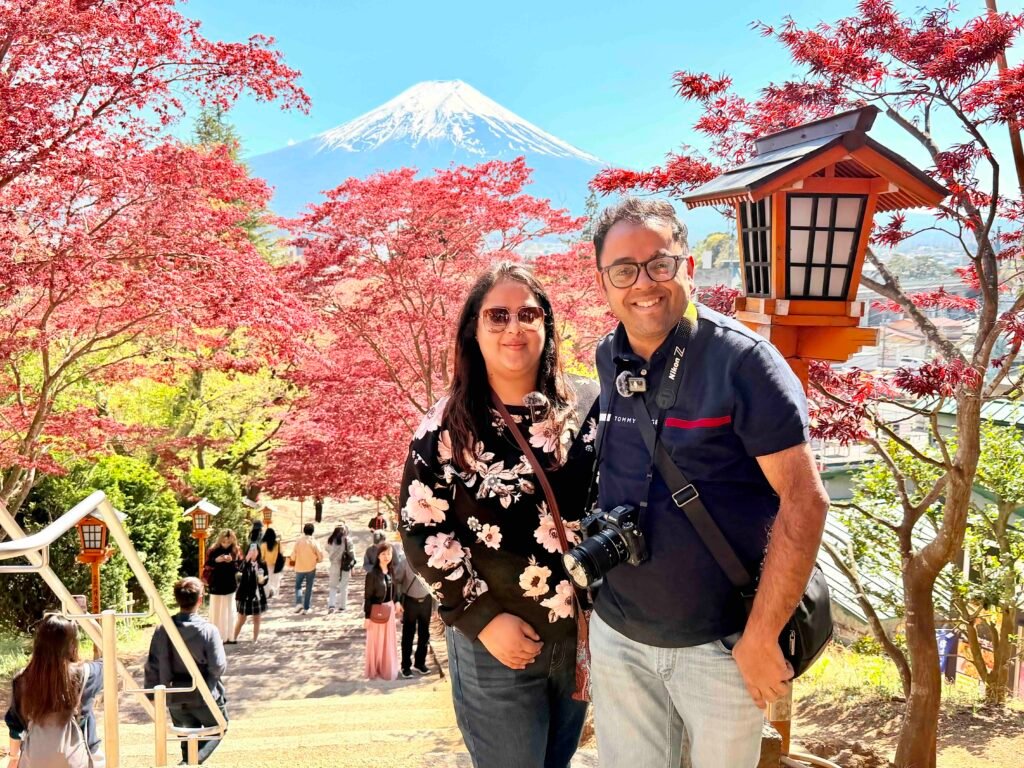
Embarking on a journey from Tokyo to Mount Fuji, particularly the visit to Chureito Pagoda, introduces various climbing challenges that are often experienced by travelers. One of the most noticeable hurdles is the long queue leading up to this iconic structure. Given its popularity, visitors can expect to encounter a sizeable crowd, especially during peak tourist seasons such as during the cherry blossom bloom. The anticipation of reaching the pagoda, however, serves as a motivation for many, as the breathtaking views of Mt. Fuji create a memorable backdrop.
The accessibility of Chureito Pagoda requires a dedicated walking distance of approximately 400 steps leading to the viewpoint. While the steps are designed to facilitate the ascent, they can be physically demanding, particularly for those unaccustomed to such exertions. Travelers are encouraged to wear comfortable footwear and hydrate adequately before embarking on this trek. Insights from the tour guide regarding pacing oneself can be immensely helpful, advocating for manageable sections of the climb, allowing visitors to enjoy their surroundings and catch their breath as they ascend.
Visitors also often appreciate the architectural beauty of Chureito Pagoda itself—built in 1963, this five-story pagoda is nestled within Arakurayama Sengen Park, providing ample opportunities to pause and take photographs. Along the way, tour guides impart interesting tidbits about the history of the pagoda and its significance to Japanese culture, enhancing the overall experience. Moreover, the breathtaking scenery fosters a sense of serenity, creating a balance with the physical exertion often felt during the climb. Overcoming these challenges not only brings satisfaction but also contributes to a fulfilling experience within Fujiyoshida, ensuring that a tour of Mount Fuji remains memorable.
Cultural and Spiritual Insights at Shinkura Fuji Asama Shrine
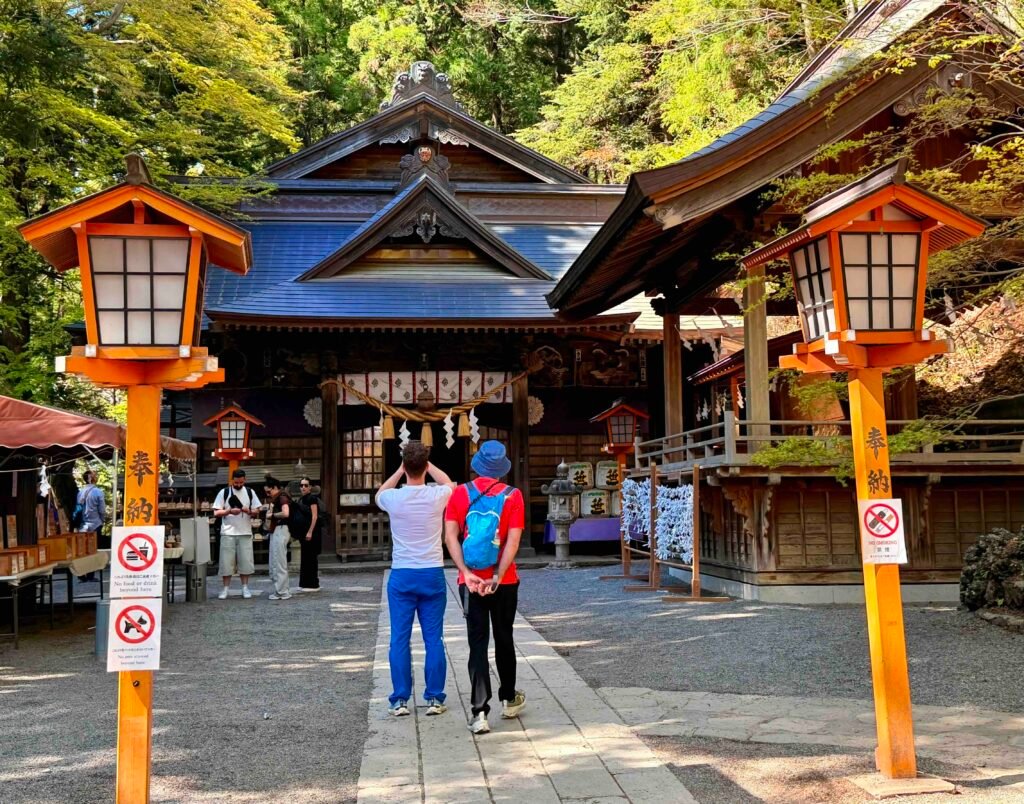
As part of your memorable Mt. Fuji tour, a visit to the Shinkura Fuji Asama Shrine is essential for immersing yourself in the rich tapestry of Japanese culture and spirituality. Located just a short distance from the iconic Lake Kawaguchiko, this shrine offers visitors a unique blend of natural beauty and spiritual significance, making it a destination worth exploring.
The shrine is renowned for its striking torii gates, which serve as a traditional Japanese entryway to sacred spaces. Passing through these gates symbolizes a transition into a more spiritual realm, inviting visitors to engage deeply with the serene atmosphere that pervades the shrine grounds. Each aspect of the architecture and layout reflects profound cultural heritage, inviting contemplation and respect.
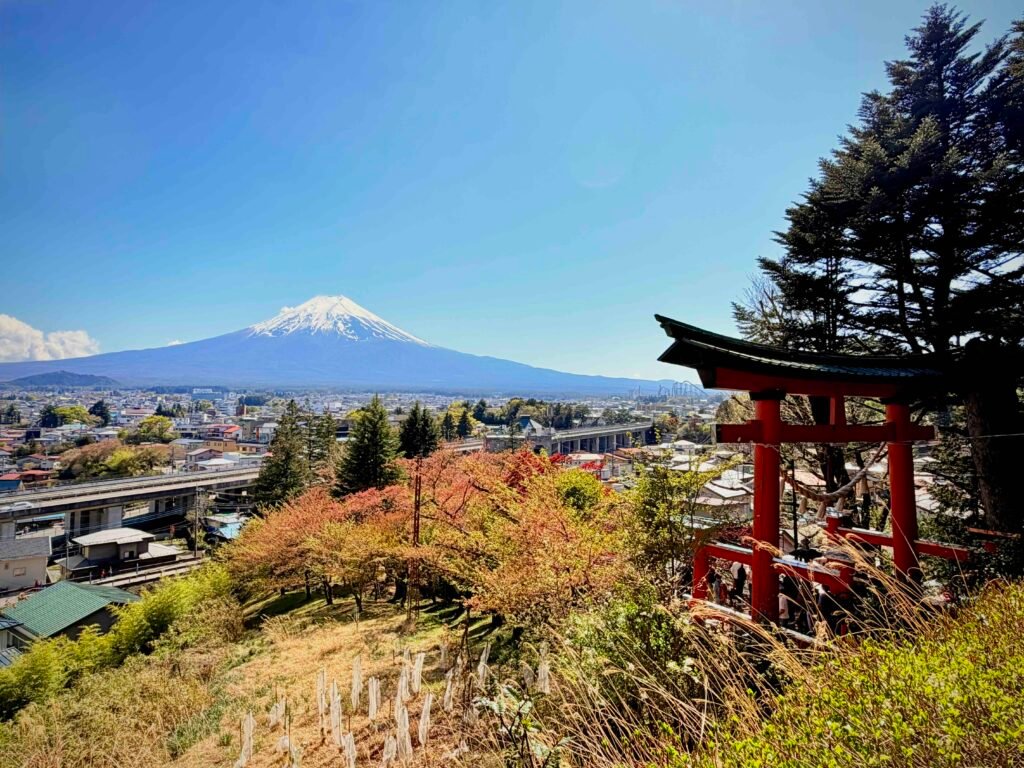
One of the notable features of Shinkura Fuji Asama Shrine is its dedication to mountaineering and the worship of Mount Fuji itself. This connection reveals the Japanese people’s respect for nature, especially in the context of their spiritual beliefs. As you walk through the meticulously maintained paths, you may observe various offerings left by devotees, which further illustrate how intertwined spirituality and nature are in Japanese culture.
Conclusion: Reflections on the Mount Fuji Trip
The journey from Tokyo to Mount Fuji is undeniably one of the most picturesque and memorable experiences a traveler can undertake. A well-organized tour can transform this trip into an unforgettable adventure that captures the essence of Japan’s natural beauty. The route we took encompassed a variety of stunning sights, including the serene Lake Kawaguchiko and the enchanting Oishi Park, where cherry blossom trees gracefully swayed in the spring breeze. Each stop provided a deeper appreciation for the landscape and culture surrounding Mount Fuji.
Our visit to Oshino Hakkai was a highlight, showcasing crystal-clear ponds fed by melting snow from the iconic mountain. Additionally, exploring nearby attractions such as Arakurayama Sengen Park and the historic Hikawa Clock Shop added layers of cultural depth to our experience. Each location not only offered beautiful views but also fascinating insights into Japanese history and tradition as we traveled through Fujiyoshida.
Booking the trip through the Klook app greatly enhanced our travel experience. The app streamlined the process of securing tickets and reservations, allowing us to explore various attractions efficiently. This convenience made it possible to maximize our time at each destination without overwhelming logistical challenges. I highly recommend using Klook for anyone planning a trip from Tokyo to Mount Fuji, as it simplifies the experience significantly.
Reflecting on this journey fills me with excitement for future endeavors. I plan to share more details and visual stories through upcoming vlogs, highlighting the beauty of Mount Fuji and its surrounding areas. This trip has invigorated my appreciation for Japan’s natural wonders, and I look forward to further exploring the region and sharing those experiences with fellow travelers.
Only one feedback we have for this trip. Our tour was a rushed one and we would highly recommend that take few days to soak in the beauty of these places as it can easily take 2-3 days to experience these places comfortably. You can stay in Kawaguchiko area where there are lot of hotels. Our detailed vlogs will be posted on our YouTube channels soon.
RELATED POSTS
View all